



Apply, turn up, check in,and get paid.
How a part-time staffing platform for the marketing industry got a mobile app - jobs and events matched to a worker’s registered skills and location, applications and offers handled in-app, check-in and check-out at the venue itself, and payment for completed work, on iOS and Android from one codebase.
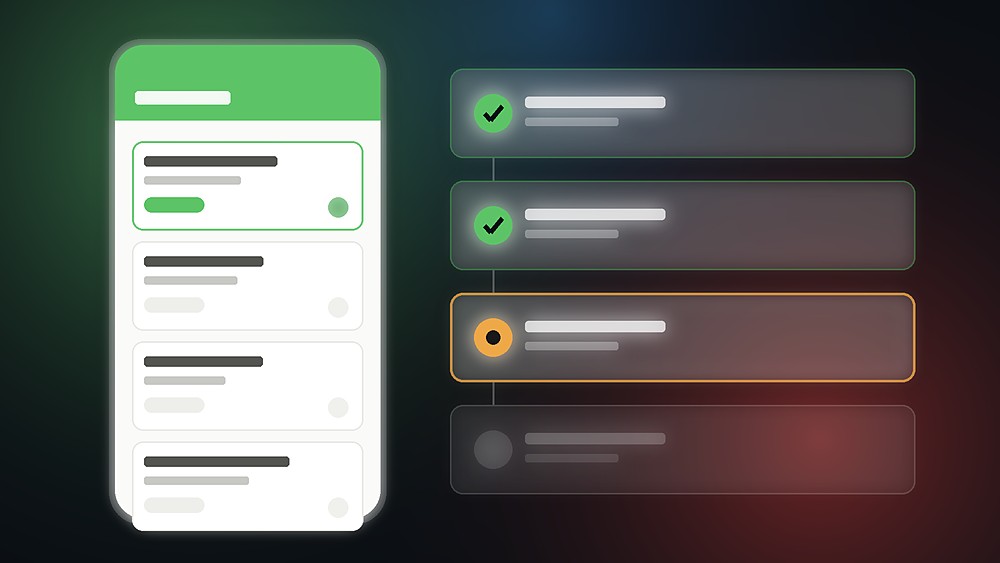

The situation
Part-time event work runs on short notice and small margins of trust. A brand activation needs twelve people on Saturday. A worker needs to know the job exists, that they qualify for it, where it is, and that they will actually be paid afterwards. The matching, the scheduling, and the payment all have to happen fast enough to be worth anybody’s time.
On a web platform, most of that falls down at exactly the point it matters. The worker is not at a desk when the job is posted, not at a desk when they arrive at the venue to check in, and not at a desk when they want to know whether last week’s shift has been paid. All of this work happens on a phone, and a platform that lives only in a browser is asking the worker to be somewhere they are not.
The worker is not at a desk when the job is posted, when they arrive at the venue, or when they want to know whether they have been paid.
What we built
We built the mobile side of the platform for iOS and Android from a single React Native codebase - which matters more here than it sounds, because on a two-sided marketplace a feature shipped to only half the workforce is a feature nobody can rely on. A worker registers with their skill set, and the app surfaces jobs and upcoming events matched to those skills and their location rather than handing them a general listing to filter.
From there the app carries the whole engagement. The worker applies for an event; if selected, the offer arrives in the app rather than by email or a phone call. At the venue they check in and check out, which is what turns an assignment into a verified shift - and payment for completed events follows from that record rather than from somebody reconciling attendance afterwards. Push notifications carry the time-sensitive parts, because a job posted on Friday for Saturday is worthless if the worker reads about it on Monday.
Inside the app
One worker’s path, from registering to being paid.
Finding and winning work
- Registration capturing the worker’s skill set
- Job browsing filtered to skills and preferences
- Upcoming events matched to skill set and location
- Application for the events a worker wants to take
- Job offers delivered in the app on selection
Working and being paid
- Check-in and check-out at the venue itself
- Schedule management across accepted events
- Payment for completed events, following from the check-in record
- Push notifications for time-sensitive postings and offers
- One codebase serving both iOS and Android
What it looks like
How a part-time staffing platform for the marketing industry got a mobile app - jobs and events matched to a worker’s registered skills and location, applications and offers handled in-app, check-in and check-out at the venue itself, and payment for completed work, on iOS and Android from one codebase.
What changed
The job reaches the worker where they are
Postings and offers arrive by push on a phone rather than sitting in an inbox. For work booked days or hours ahead, that is the difference between a filled shift and an unfilled one.
Check-in turned attendance into a record
A worker checking in and out at the venue produces the evidence that a shift happened. Payment follows from that rather than from somebody reconciling who turned up - which is where this kind of work usually goes wrong, and where trust is usually lost.
Matching replaced browsing
Jobs surface against the skills and location a worker registered with, so the app opens on relevant work instead of a list to filter down. On a platform whose whole problem is engagement, that is what brings somebody back to it.
How it was built
The mobile application only - it integrates with the platform services Jobpail.com already ran.
Other systems we have built near this one
Does your workforce ever sit at a desk?
Field staff, event crew, drivers, technicians, contractors - people whose work happens somewhere your systems cannot reach them. Tell us what yours need to be able to do on a phone, and we will tell you honestly what is worth building and what is not.