


Lead to grid connection,and the stock behind it.
How an Australian solar provider ran its whole operation on one platform - leads, customers, installers, projects, installation scheduling, grid connection, Small-scale Technology Certificates and invoicing on one side; a location-aware warehouse with barcode-scanned serial numbers and stock reconciliation on the other, with mobile apps for the people in the field.
The situation
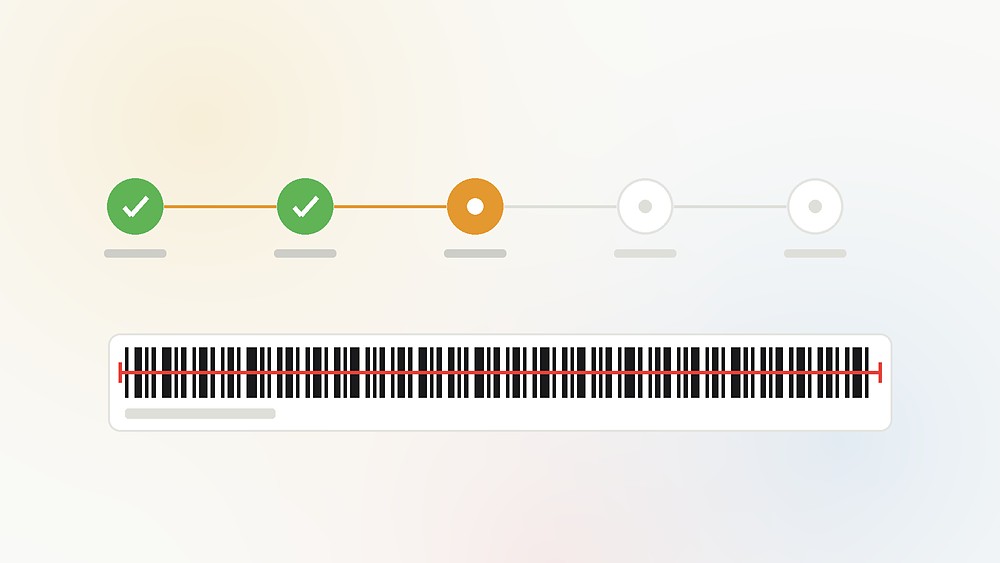
A residential solar job is not one process, it is a relay. A lead arrives and has to be qualified. A sale is made and becomes a project. An installer is assigned and scheduled. The system goes up, the grid connection is applied for, the certificates are claimed, and somewhere along the way two invoices are raised - one to the customer, one from the installer. Drop the baton at any handover and the job stalls without anyone noticing.
Underneath it sits a warehouse problem that is genuinely hard. Panels and inverters carry serial numbers that have to be followed from wholesaler to warehouse to roof, across locations, with enough forward visibility to know what to order next. And the people who need all of this - salespeople and installers - are not sitting at a desk.
A residential solar job is a relay. Drop the baton at any handover and it stalls without anyone noticing.
What we built
Two applications sharing one spine. The first carries the commercial and delivery path: leads imported and managed, customers and their contacts, installers and their assignments, projects from initiation to completion, installation schedules, and the trackers that sit over all of it - lead, installation booking, grid connection, refund, promotion, and payment. Small-scale Technology Certificates are managed in the same place, because in Australian solar the STC is part of the economics of the job rather than paperwork that follows it.
The second is a warehouse application with its own portal and mobile app. Stock is held by location, transferred between locations, and ordered from wholesalers, with every movement tied to a serial number captured by barcode scan rather than typed in. Its reporting is where the value concentrates - stock deducted and received, broken serial numbers, pending scans, serial-number-wise history, reconciliation, and a stock prediction that reads from the live job pipeline, so ordering follows work already sold. Both run on one role-based permission model, and the mobile apps put the same information in the hands of sales and installers in the field.
Two applications, one operation
The commercial path, and the stock that has to keep up with it.
Solar application
- Leads imported and managed, with customers, contacts, and installers
- Projects tracked from initiation through to completion
- Installation scheduling and progress against each job
- Small-scale Technology Certificates managed alongside the job
- Installer and sales invoicing, pending and paid
- Trackers for leads, bookings, grid connection, refunds, and payments
Warehouse application
- Location-wise warehouse and stock item management
- Stock orders, transfers between locations, and wholesaler orders
- Serial numbers captured by barcode scan rather than typed
- Stock prediction driven by the live job pipeline
- Reconciliation, pending-scan, and serial-number-wise reporting
- Portal and mobile app, so the warehouse is not desk-bound
What changed
Outcomes as reported by the client. We have not attached percentages to them, because the ones worth quoting are the ones the client measured themselves.
The relay stopped dropping the baton
Lead, sale, project, installation, grid connection, certificate, invoice - each stage hands to the next inside one system, with a tracker over it. A job that stalls shows up as a job that stalls, rather than as a customer ringing to ask.
Stock is counted by scanning, not by typing
Serial numbers are captured with a barcode scanner across the portal and both mobile apps. Reconciliation and broken-serial reporting work because the underlying data was captured correctly in the first place.
Ordering follows the pipeline
Stock prediction reads live jobs, wholesaler orders, and stock orders together, so what gets ordered is driven by work already sold rather than by what went out last month.
How it was built
Multi-tenant, and integrated with the systems Australian solar actually runs on - FormBay, GreenBot, NearMap, and Xero.
Other systems we have built near this one
Where does your job hand over to the next person?
Lead to sale, sale to scheduling, scheduling to install, install to invoice - the handovers are where jobs go quiet. Tell us how yours run today and we will tell you honestly which of them need a system and which just need somebody to own them.