


One login for the room,the wifi, and the coffee.
How a Sharjah coworking operator put its whole front desk online - membership plans, meeting room and workstation booking, equipment reservation, on-demand internet, print services, and a cloud POS for the café - with a QR code carrying each member’s access and an iPad running the counter.

The situation
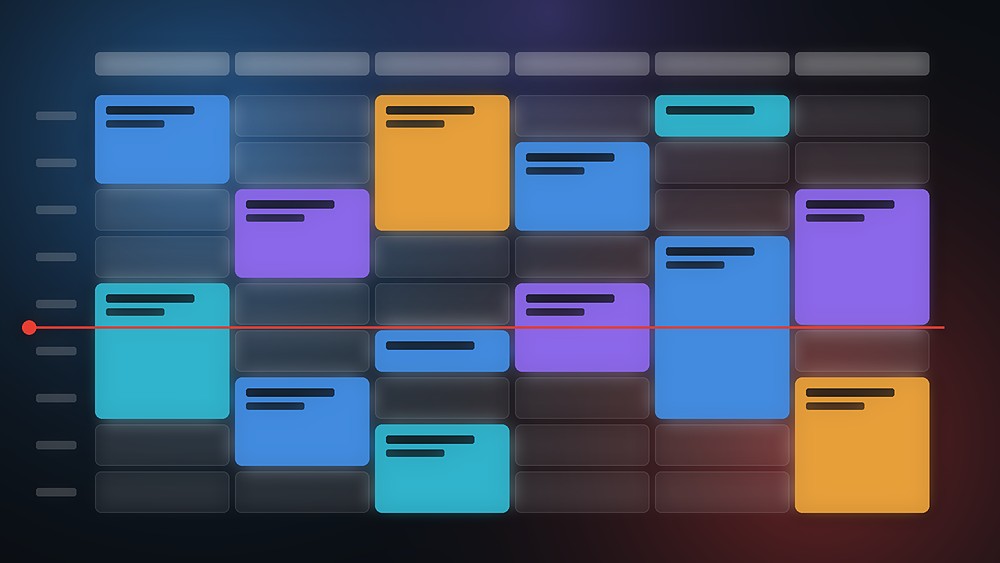
A coworking space looks like one business and runs like four. There is a membership business, with plans and renewals. A booking business for meeting rooms, workstations, and the projector somebody needs on Thursday. A services business selling internet, printing, and whatever else a member needs that day. And a café, with its own till.
Run separately, each of them needs somebody at a desk. A member asking whether a room is free at three, another wanting to add print credit, a third paying for lunch - all of it lands on the same front-desk staff, who spend the day as a lookup service rather than running the space. And the numbers that matter to the operator - membership revenue against room utilisation against café takings - sit in four different places.
A coworking space looks like one business and runs like four.
What we built
One cloud application covering all of it. Members sign up to a plan, see live availability, and book meeting rooms, workstations, and equipment like cameras and projectors themselves. Payment runs through PayPal and card, so a booking completes without anyone at the desk being involved. There is no cap on internal or external users, which matters for a space selling day passes alongside memberships.
What made it a single experience rather than a booking website was the hardware. Each member carries a QR code that opens access to the services they have paid for. An iPad application runs the café as a cloud POS with a QR scanner, so a member is identified and charged without producing a card. Paid internet and printing are integrated at the hardware level through an API built for the purpose, so buying print credit or an internet session actually switches the service on rather than raising a job for somebody to do. Management reporting then pulls the four businesses back together - memberships, bookings, service sales, and a cash collection report for the café.
Inside the platform
For the member
- Membership plans, sign-up, and renewal
- Live availability for meeting rooms and workstations
- Equipment booking - cameras, projectors, and resources
- On-demand internet access and print services
- Café ordering, charged to the member account
- A QR code carrying whatever the member has paid for
For the operator
- Front desk: sign-ups, plan assignment, and daily activity
- Multiple meeting-room management and a booking engine
- Resource booking backed by inventory
- Cloud POS for the café, run from an iPad with a QR scanner
- Payment gateway integration - PayPal and card
- MIS reporting, including cash collection for the café
What it looks like
What changed
The front desk stopped being a lookup service
Members see live availability and then book, pay, and let themselves in without asking anyone. Staff time moves from answering the same four questions to running the space, which is what the operator was paying for.
Paying for something switches it on
Internet sessions and printing are wired to the hardware, so a purchase activates the service instead of generating a task for somebody at the desk. That is the difference between a booking website and something that actually operates the building.
Four businesses, reported as one
Membership revenue, room utilisation, service sales, and café takings come out of the same system, cash collection included. The operator can finally see which part of the business is earning and which is being subsidised.
How it was built
Cloud-hosted, with an API built specifically to drive the paid-internet and printing hardware.
Other systems we have built near this one
 Energy & IndustrialCarbon credits issued, transferred, and retired on one registryRead the case study>
 Dealer NetworksDealer quotations priced by rating, approved by rule, synced to SAPRead the case study>
 Energy & IndustrialFrom first lead to grid connection, and the warehouse behind itRead the case study>
What does your front desk spend the day answering?
Availability, access, payment, add-ons - the questions that are quick to answer and never stop arriving. Tell us what yours look like and we will tell you honestly which of them a customer could answer for themselves.